The wait is over! The completion of the Ban Houay Pae Neua overflow bridge unlocks new opportunities, lowers transportation costs, boosts local incomes, and sustainably improves the livelihoods of border communities.
Ban Houay Pae Neua, located 46 kilometers northeast of the Yot Ou District center in Phongsaly Province, was established in 2011. The village is currently home to 57 households and a population of 340 people (178 females), including 8 poor households. The village received the Climate Resilience Infrastructure(CRI) funding from the Community Livelihood Enhancement and Resilience (CLEAR) Project to construct an overflow bridge. The details are as follows:
Technical Specifications and Budget:
• Dimensions: 3.4 meters wide, 28 meters long, 1.5 meters high
• Load Capacity: 5 tons
• Construction Cost (Contractor): 965,870,344 LAK
• Community Contribution: 81,250,000 LAK
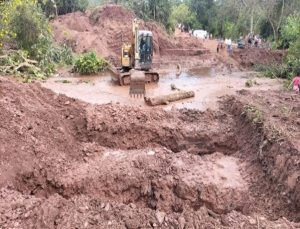
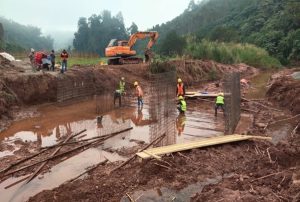
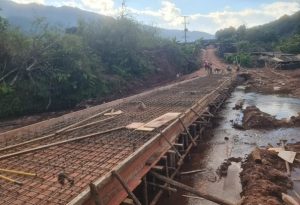
Situated amidst complex mountains and pristine nature in the northernmost part of Lao PDR, bordering China, the village has historically faced immense challenges in transportation and livelihoods. Crossing the river was particularly risky during the rainy season due to flash floods. Today, the new overflow bridge stands as a “Bridge of Hope,” bringing monumental benefits to the community across various sectors:
- Economic and Internal Trade
Agricultural Transport: In the past, villagers—especially Self-Help Groups (SHGs) and Community Nutrition Groups (CNGs)—struggled to transport tea, vegetables, fruits, and livestock to town or export to China. Waiting for water levels to recede often resulted in spoiled produce. The bridge now allows middlemen to drive directly into the village, reducing transportation costs and tangibly increasing villagers’ incomes.
Access to Goods and Services: Consumer goods from the city can now easily reach village shops, stabilizing prices and diversifying available food options.
- Education for Rural Children
Safe Journey to School: During the rainy season, strong currents previously forced children to miss school as they could not cross the river to the primary school on the opposite bank. The bridge ensures safe, year-round travel for students, reducing dropout rates and making the commute much easier for teachers.
- Healthcare and Emergency Assistance
Timely Medical Access: In emergencies involving severe illnesses, childbirth, or accidents, every minute counts. The bridge allows ambulances and personal vehicles to swiftly transport patients to district or provincial hospitals without the delays of river crossings. Furthermore, mobile medical teams can now easily access the village for vaccinations, annual checkups, and year-round hygiene and nutrition education.
- Social and Cultural Development
Fostering Connections: The bridge facilitates easier travel between neighboring villages, promoting cultural exchange and participation in traditional festivals, thereby strengthening community solidarity.
Community Tourism: With its beautiful scenery and unique lifestyle, the village can now open its doors to tourists, potentially creating supplementary income for the community.
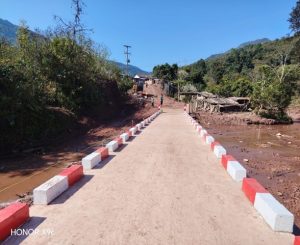
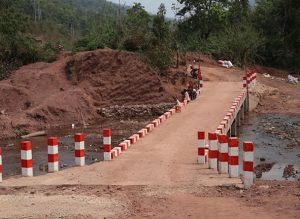
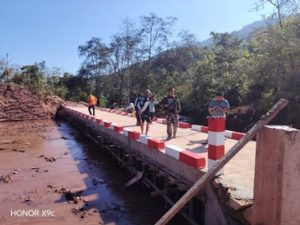
Conclusion: The construction of the Ban Houay Pae Neua overflow bridge is not just about connecting two banks of a river; it is about “connecting opportunities.” It serves as a catalyst for poverty reduction, provides access to production zones, elevates the quality of life, and narrows the urban-rural gap. This structure goes beyond physical infrastructure—it is a “Bridge of Victory” that breaks down isolation and establishes a solid foundation for the sustainable transformation of the villagers’ lives, deeply aligning with the rural development and poverty eradication goals of the Party and the Government of Lao PDR.


