Although the Community Nutrition Group (CNG) primarily focuses on mothers (pregnant women and mothers with children under 2 years old), husbands or men also play an important role in providing support and can contribute to the group’s activities in various ways, as follows:
– Sharing Household and Farm Workloads:
Men are encouraged to help with household chores and agricultural work so that pregnant wives or mothers with young children have more time to rest and care for their own nutrition and that of their children..
– Sourcing and Preparing Food:
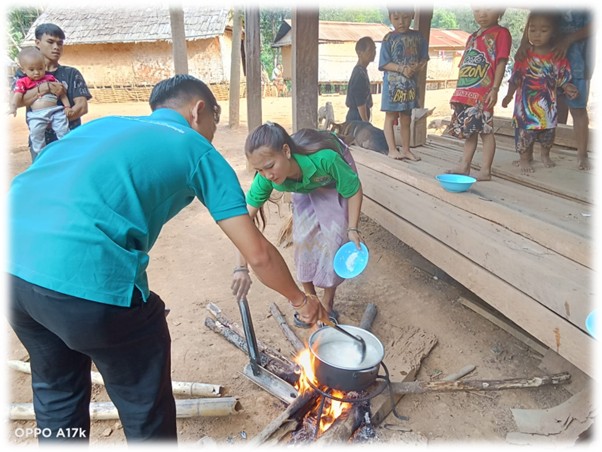
Husbands or men can assist in finding or purchasing nutritious raw ingredients for the family. In addition, men can participate in food preparation training sessions or join the group’s food demonstration activities to gain knowledge on how to prepare nutritious meals for children.
– Participation in Communication and Learning Activities:
The project includes Social and Behavior Change Communication (SBCC) activities that specifically target husbands to build understanding about nutrition and gender roles. Men can join community meetings to discuss the approach “Dads Can Do That” and the sharing of responsibilities within the family.
– Technical and Media Support:
In Multi-Media Peer Learning (MMPL) activities, if men or other family members have skills in using smartphones, they can help record photos or edit videos of food preparation demonstrations and success stories from the CNG for sharing within the community.
– Household Food Production:
Men can assist in establishing Home Nutrition Gardens, building garden fences, or raising livestock (such as goats for milk) to ensure a stable source of food for the family.
– Supporting Participation:
Husbands play a key role in encouraging their wives to fully participate in the Community Nutrition Group (CNG) and Self-Help Groups (SHG), and in jointly making decisions on activities that will improve the family’s living conditions and nutritional status.
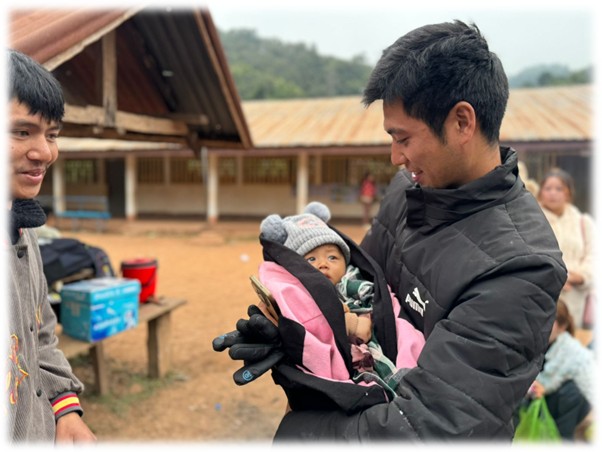
The involvement of husbands or men is a decisive factor in achieving social and behavioral change to ensure that mothers and children receive the best possible care during the first 1,000 days of life.


