Under the CLEAR Project, the Project Implementation Manual specifies that nutrition activities are part of Component 3, which consists of the following 9 main activities:
- Group setting up, Meetings, and Training (Technical including Financial Management)
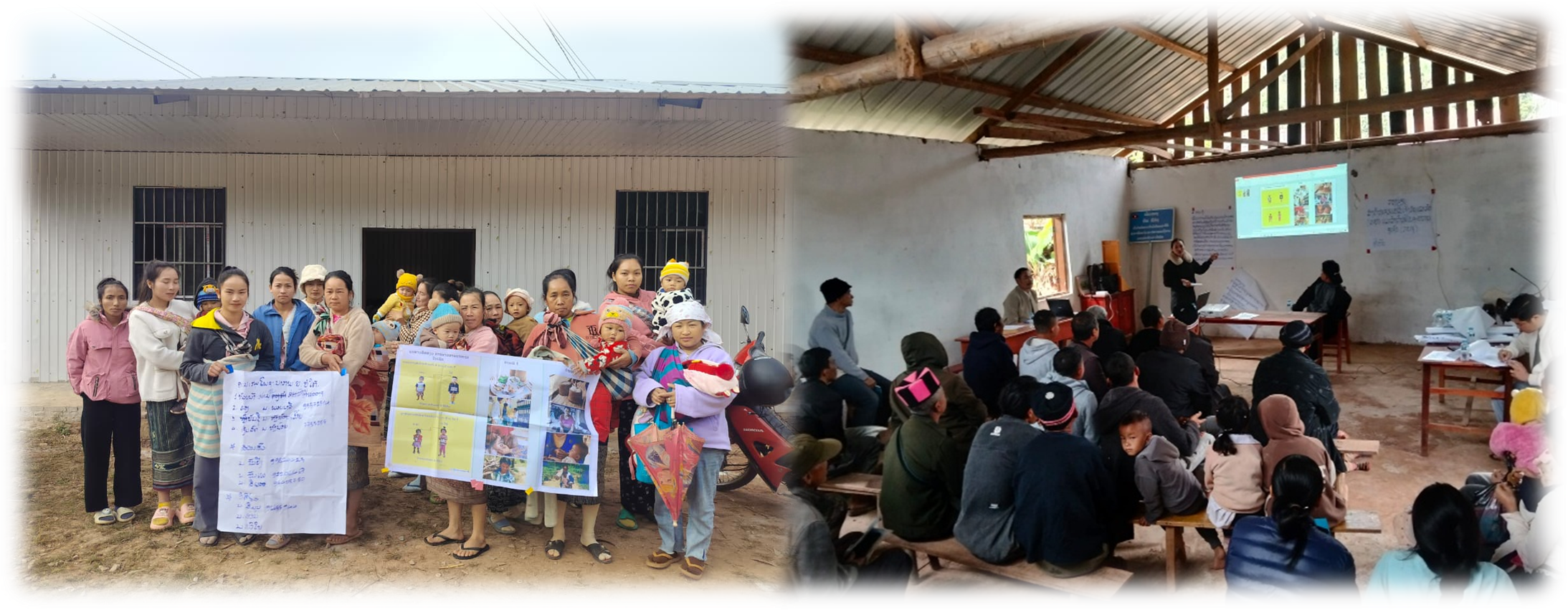
In each target village of the project, a group will be established called the “Community Nutrition Group”, abbreviated as “CNG”.
The group members consist of women and children under 2 years of age, referred to as “1,000-Day window”. This includes pregnant women, mothers with young infants (0–5 months), and children aged 6–23 months.
Each group will have a committee of 4 people, comprising: a Group Leader, Deputy Leader, Accountant, and Cashier.
All group members will receive training on basic nutrition knowledge, food processing and cooking, and financial management for the group committee. This training will be provided by district and village nutrition staff after the group is successfully formed, and before the monthly Community Nutrition Group meetings begin.
2. Food Processing
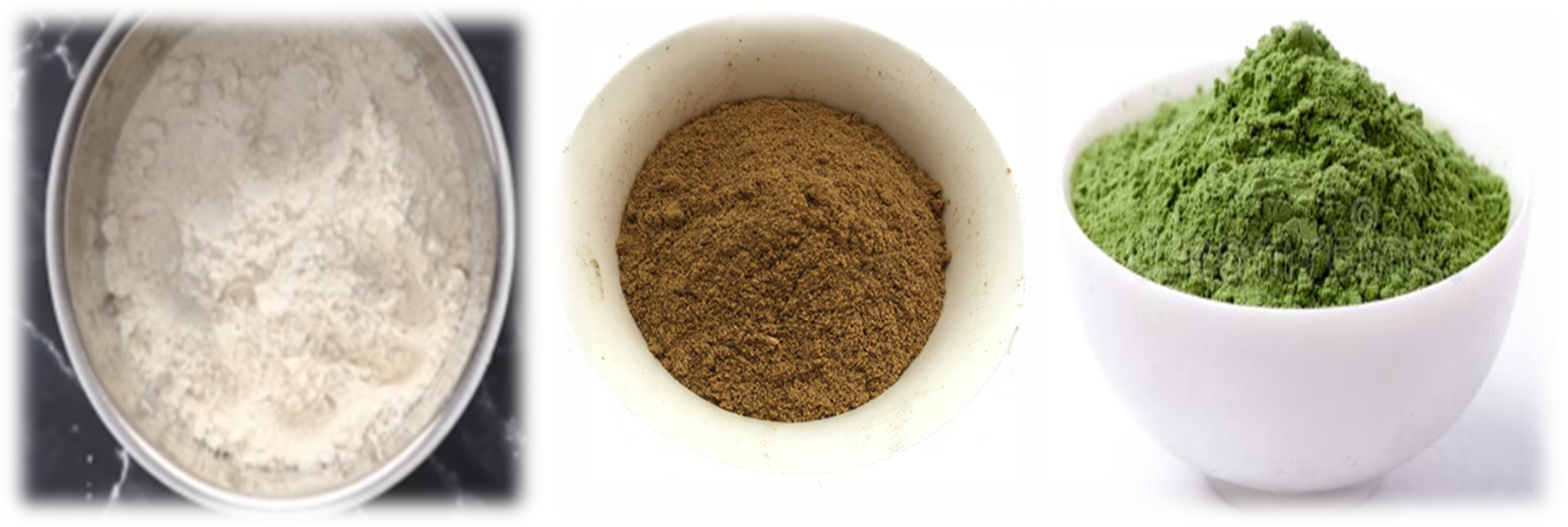
Emphasis is placed on producing three types of food powder:
– Pre-mix: made from rice and mung beans
– Fish powder: made from small fish, anchovies, shrimp, etc.
– Leaf powder: made from green leafy vegetables such as Moringa, Chaya, etc.
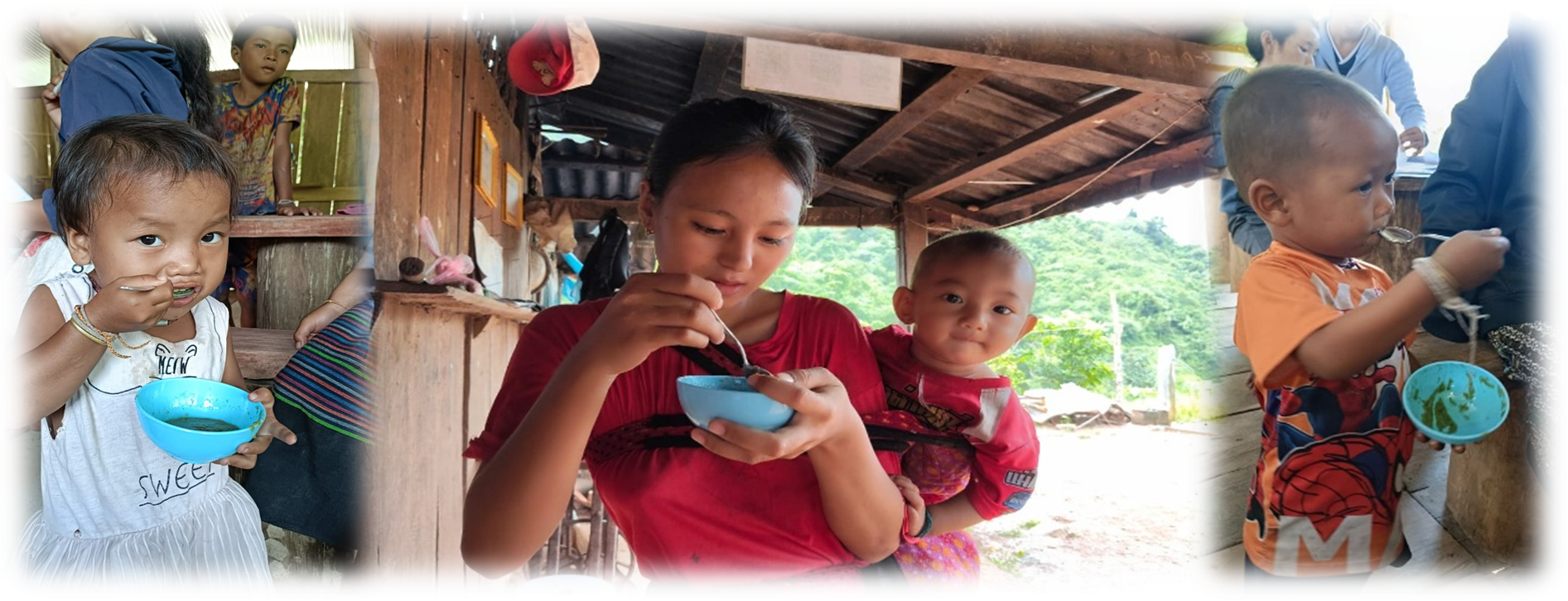
- Take-Home Ratio for Malnourished Children
This involves distributing the three types of food powder produced during the monthly Community Nutrition Group meetings to mothers and children suffering from malnutrition. These powders are to be taken home and prepared according to the recipes recommended by the project, with a focus on children under 2 years of age.
- Home Nutrition Gardens
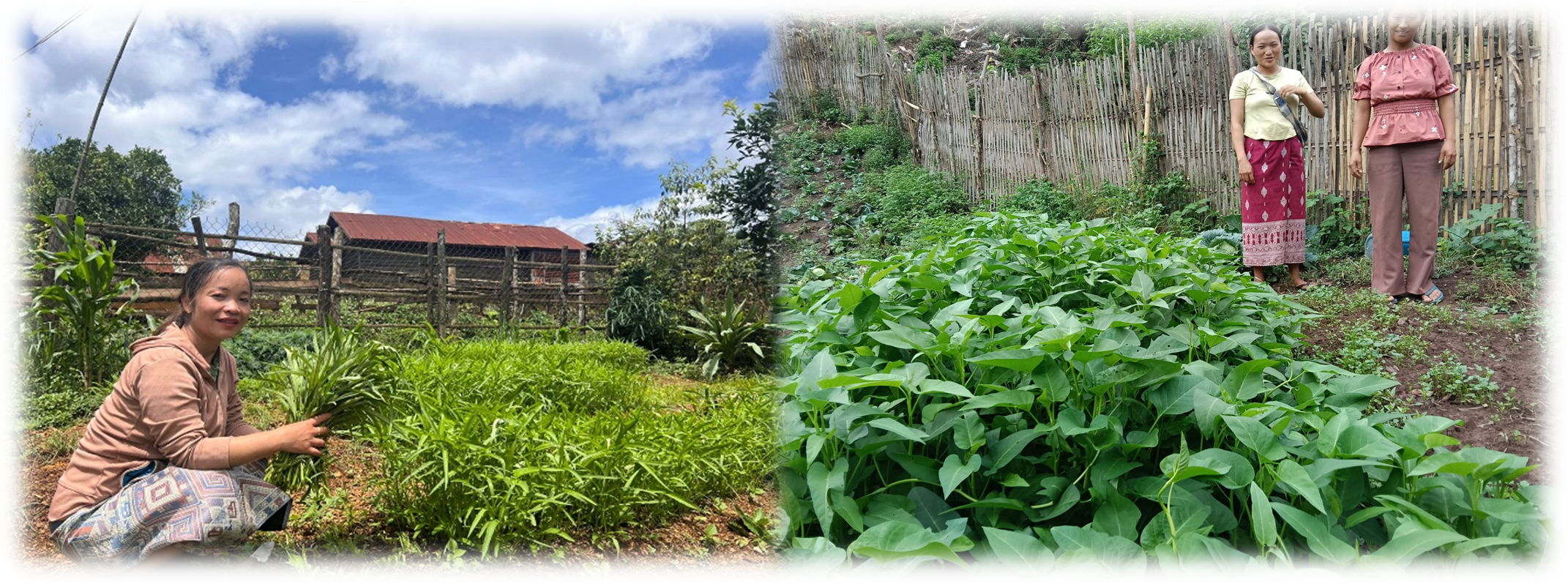
Each member of the Community Nutrition Group will establish a household garden at their own home. After receiving training on growing crops in both the dry and rainy seasons, producing organic compost, bio-liquid fertilizer, and natural pesticides from model farmers trained by the Lao Farmers’ Association, members will also receive 18 recommended crop varieties from the project (9 varieties for the dry season and 9 varieties for the rainy season).
- Shade Houses
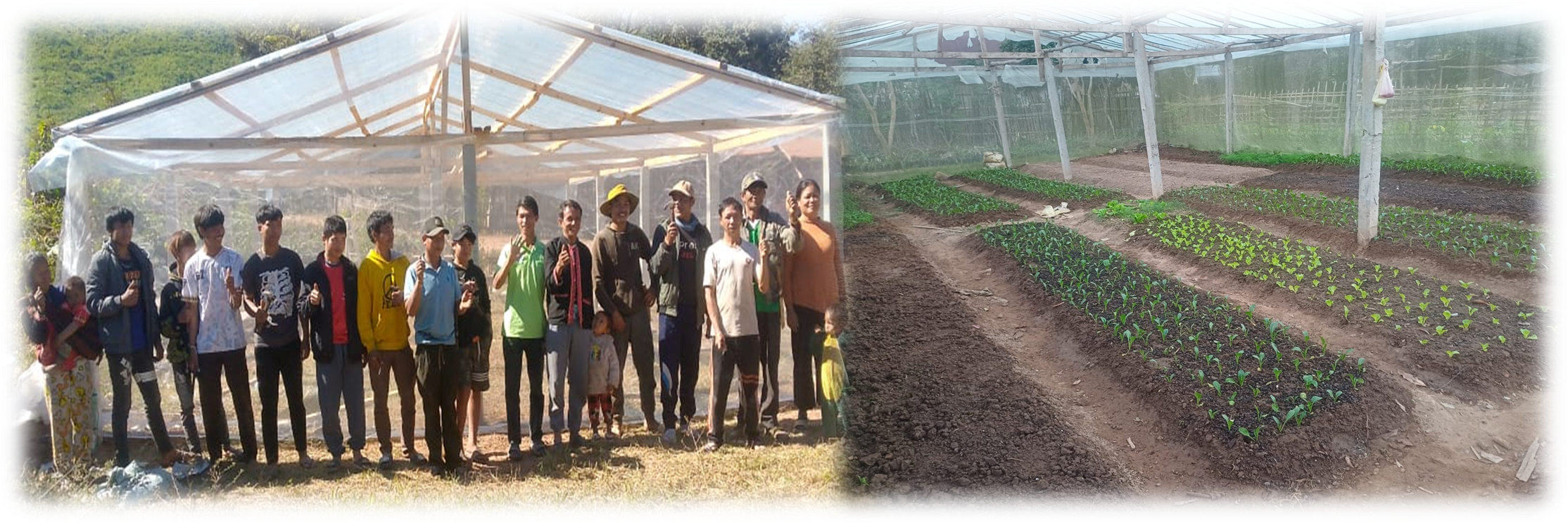
The CLEAR Project provides support for shade houses to the Community Nutrition Groups to serve as a shared space for growing the vegetables recommended by the project. These shade houses aim to supply vegetables for food preparation during the group meetings. If production exceeds needs, the surplus can be sold to villagers or at local markets. It is expected that 100 target villages will each receive one shade house during the project implementation period.
- Goat Dairy
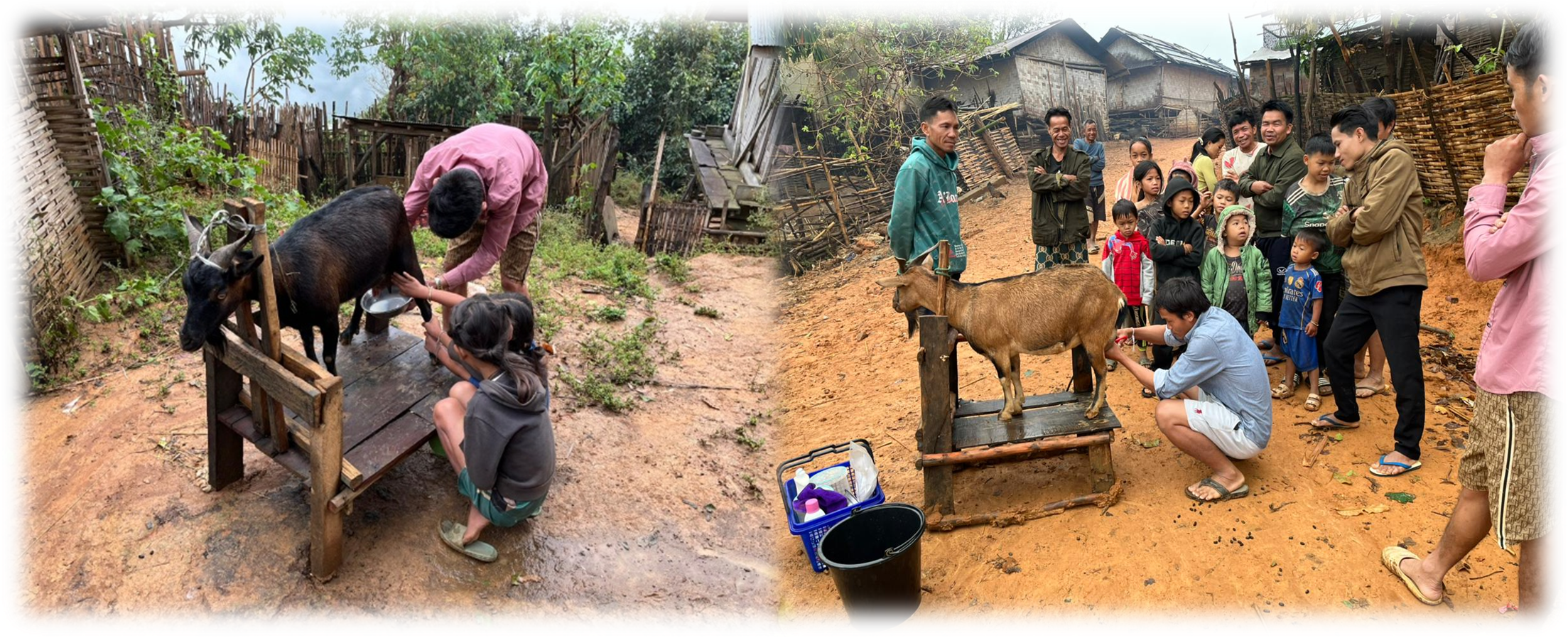
The objective is to increase dietary diversity for children aged 6–23 months by adding new food items containing goat milk and to supply goat milk to the Community Nutrition Groups as an ingredient in the recipes.
Farmers who already own goats and are willing to participate will be selected to receive training on goat rearing, milking techniques, and fermenting cassava leaves at the Lao Buffalo Dairy Farm in Luang Prabang Province. They will then return to implement these practices in their own villages.
- Shop Owners training
Retail shop owners in each village will be selected to participate in training on preparing nutritious snacks for sale. The training covers the health impacts of foods or snacks lacking nutritional value and guidance on selecting appropriate food and beverage products to stock and sell in their shops.
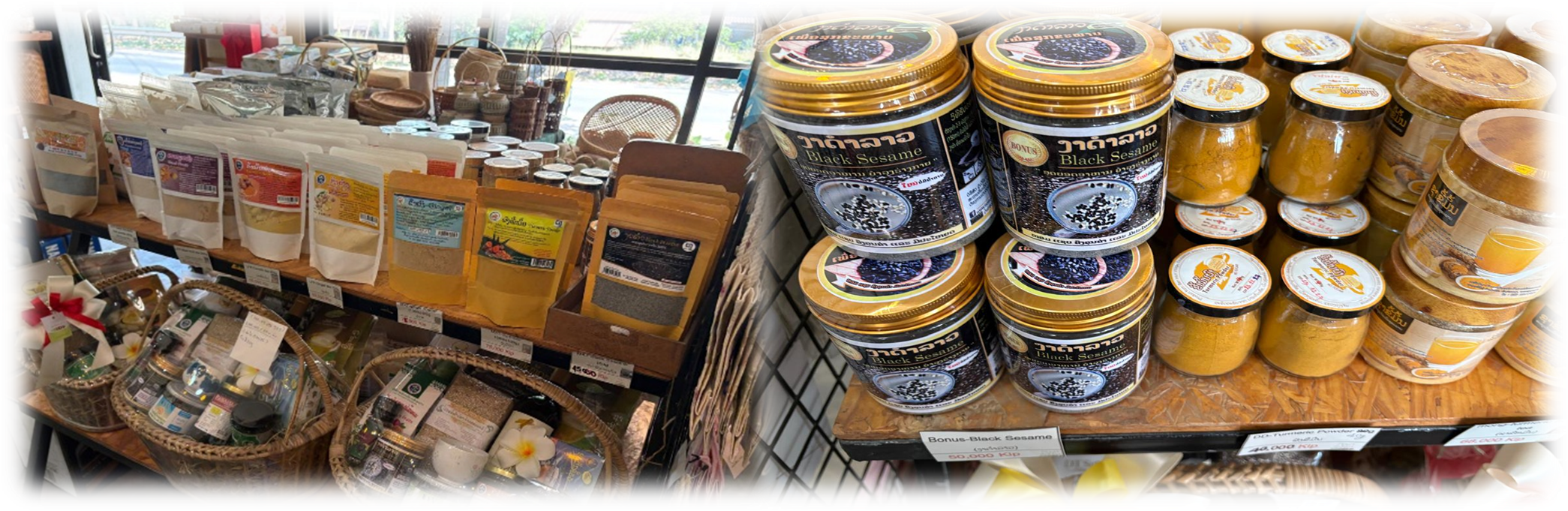
- Wild Food training
Members of the Community Nutrition Groups will receive training on how to use wild forest products as raw ingredients to prepare meals and snacks in cases where other ingredients are unavailable or cannot be purchased.
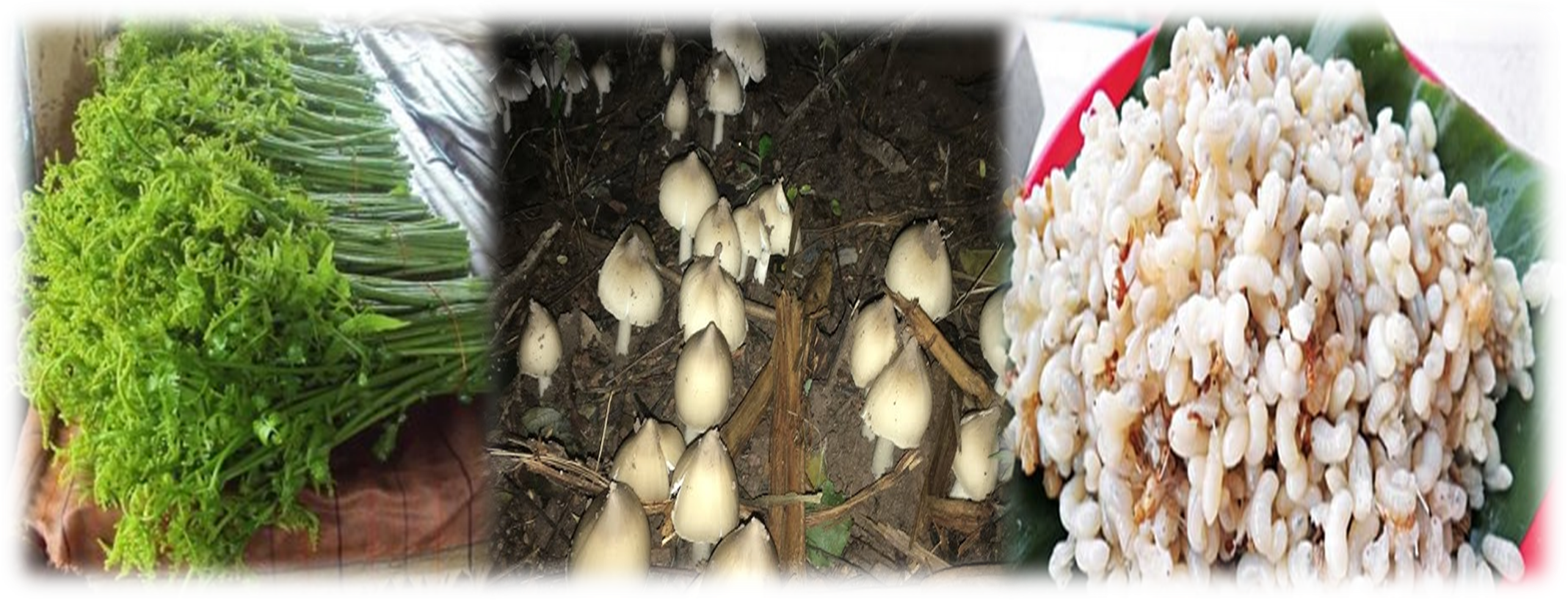
- Social and Behavior Change (Peer-to-Peer Learning, Home and Garden Visits, Storytelling, and Community Nutrition Meetings)
All social and behavior change activities aim to create channels for Community Nutrition Group members to exchange knowledge and experiences related to all nutrition activities. This is done through:
– Story session during monthly community nutrition group meetings
– Community nutrition meetings with villagers
– Individual exchanges through home and garden visits
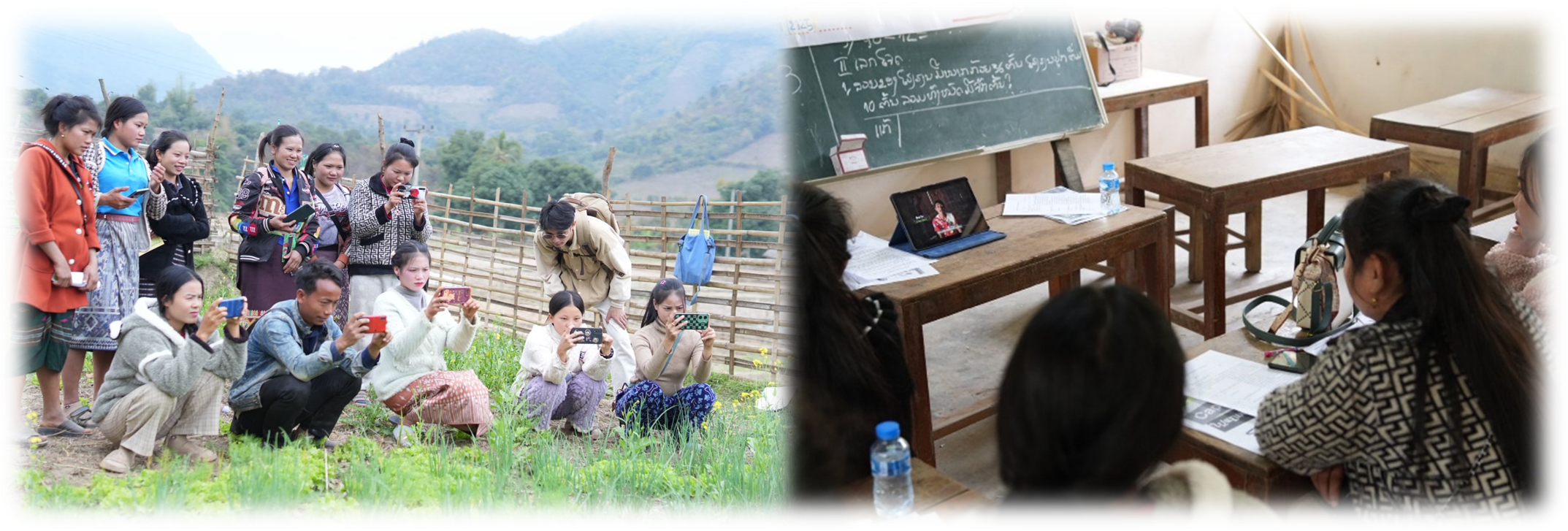
– Sharing with the general public through the creation and dissemination of videos via online platforms such as YouTube, Facebook, TikTok, WhatsApp, and others.